UX Thinking
Empathy Is a UX Designer's Greatest Superpower
Great products begin with understanding people, not interfaces.
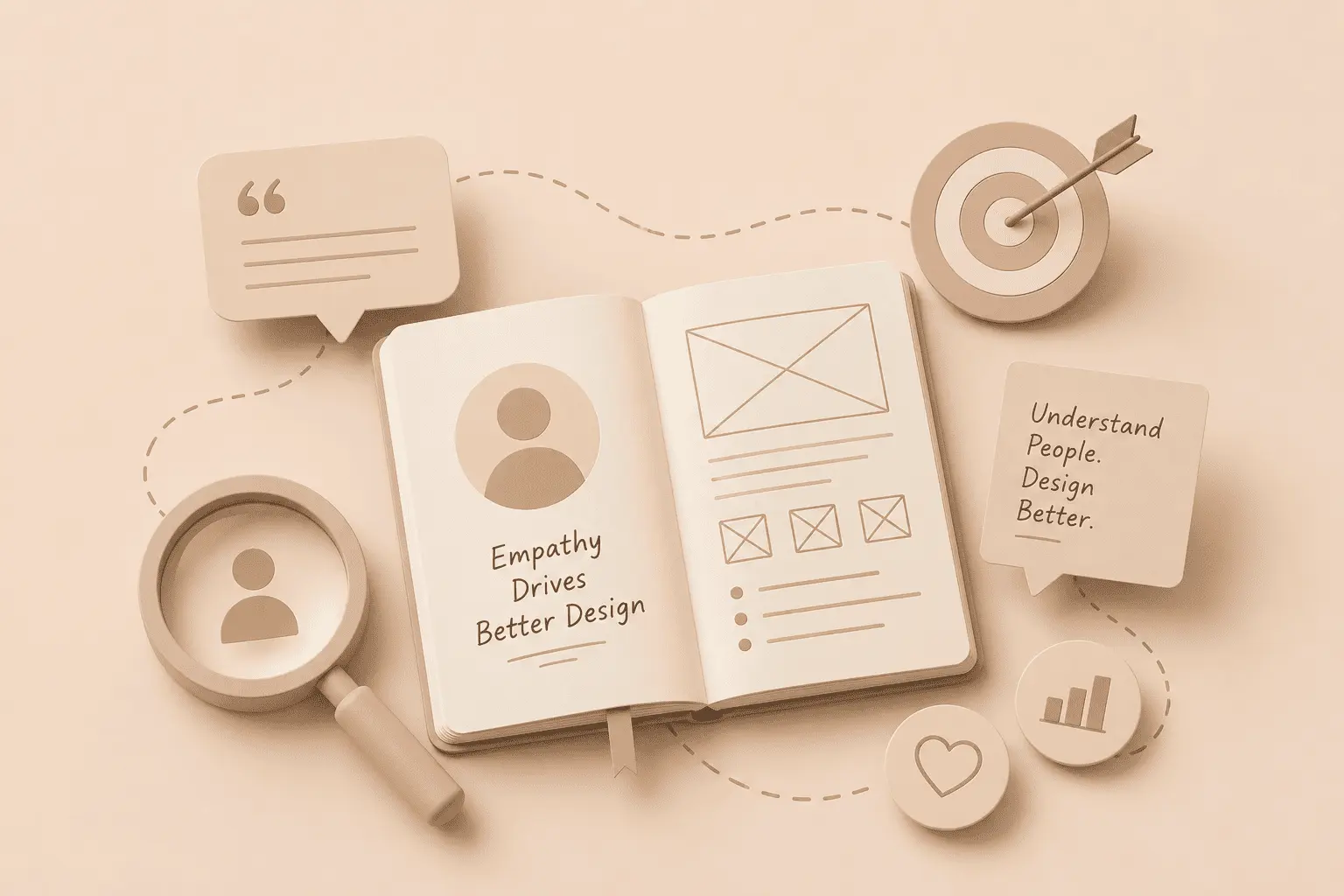
One lesson that completely changed the way I design is this: users don't experience wireframes they experience emotions. They feel confused when they can't find what they're looking for, frustrated when a process takes too long, and satisfied when everything just works.
That's why I spend more time understanding people than perfecting pixels. Research, conversations, and observation often reveal insights that no design trend ever could. The better you understand the person behind the screen, the better your design decisions become.
Designing with empathy changes every decision.
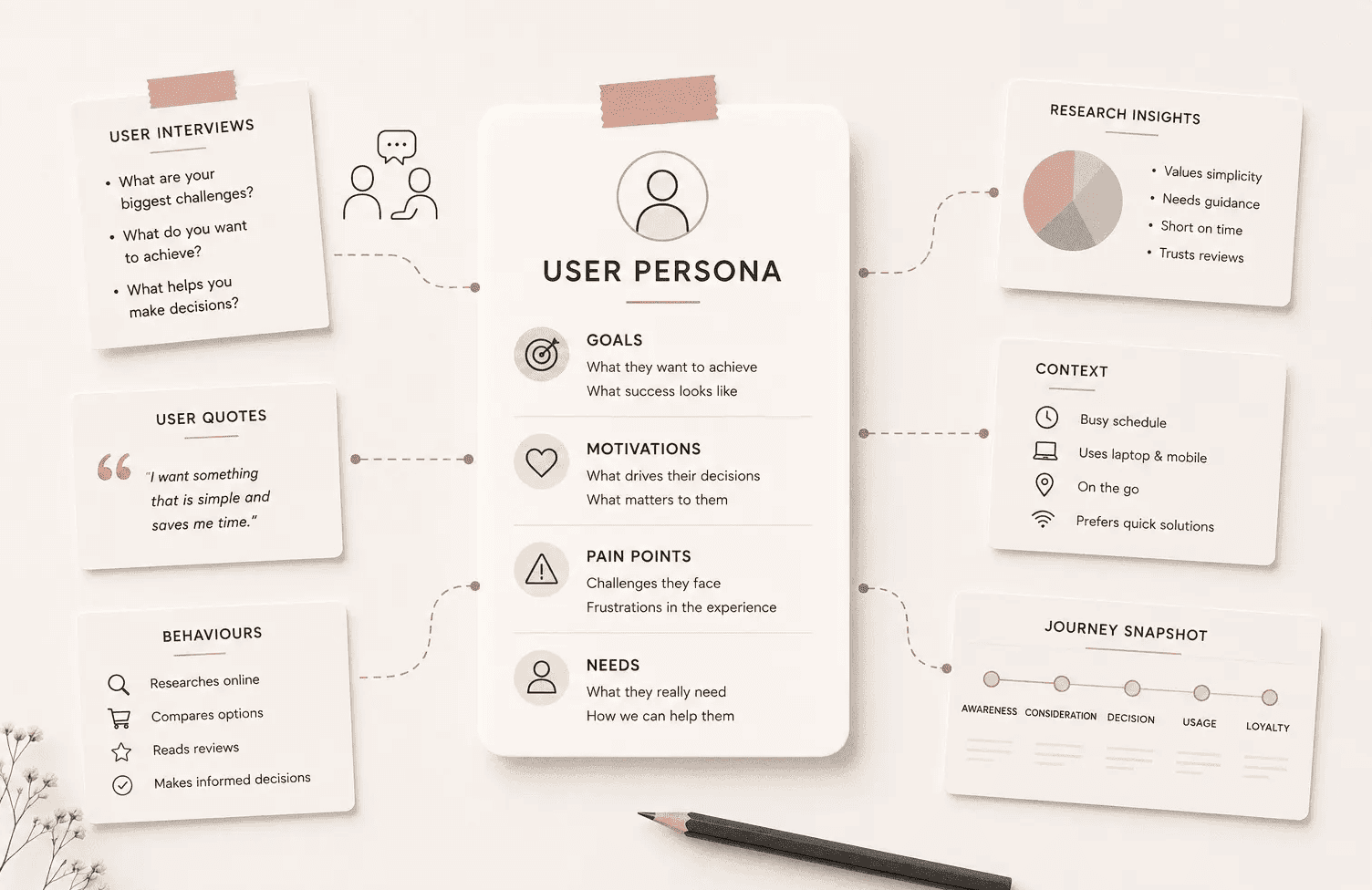
Empathy isn't just about interviews or user personas. It's about questioning every assumption you make as a designer. Is this form asking for too much information? Is this navigation clear for someone visiting for the first time? Does this interaction reduce effort or add another obstacle?
These questions might seem small, but they shape experiences that feel thoughtful instead of transactional. Good UX isn't created by guessing what users want it's created by understanding what they actually need.
The best designers don't design for themselves.
One of the biggest mistakes we can make is designing for people who think like us. Real users come with different goals, habits, devices, and levels of confidence. A product that feels obvious to its creator can feel overwhelming to someone using it for the first time.
I've learned that good UX starts the moment we stop asking, "What would I do?" and start asking, "What would make this easier for someone else?" That shift in perspective doesn't just create better interfaces it creates products that people genuinely enjoy using.